
Goalkeeper Coaching in South Korea
Goalkeeper coaching in South Korea turned out to be one of the most transformative experiences of my entire coaching career. And I don’t say that lightly. After 15 years of working with athletes across multiple continents, I thought I had a pretty good sense of what international coaching involved. But nothing could have prepared me for the depth of what this experience would teach me, not just about handball, but about people, culture, discipline, and the beautiful complexity of human connection.
I was “silent” for a few weeks after returning home because I needed time to decompress. Being on the road for 2.5 months straight, across three continents and five different countries, is a lot. In July, I was in Porto as an EHF Expert at the Master Coach Course. Right after that, I flew to Seoul to start working with the men’s senior national team of South Korea. When I finally landed back home, I needed space to just… breathe. To process everything that happened.
And looking back now? What an amazing journey it was! 🙂
Key Takeaways
- Extended training camps create transformation that short ones can’t. Seven weeks together allowed for trust-building, real technical change, and deep cultural exchange. If you ever get the opportunity to spend an extended period with your athletes, take it. The insights you gain about how each individual responds to pressure, fatigue, and challenge are impossible to replicate in shorter timeframes.
- Cultural values directly shape training environment quality. The Korean emphasis on collective success, respect, and discipline created conditions where athletes supported each other through every difficult session. Understanding and respecting the cultural background of your athletes helps you create environments where they can thrive.
- Bridging different playing styles requires lived experience. You can talk about European handball versus Asian handball all you want, but goalkeepers need to feel the difference in their bodies to truly adapt. Theoretical knowledge only becomes useful when it’s tested against real competition.
- Uncomfortable change is the price of growth. Our goalkeepers had to let go of old habits and embrace new methodology. That discomfort was the pathway to their development. As coaches, we need patience and empathy when asking athletes to change patterns they’ve spent years building.
- The human element matters more than technical systems. International coaching forces you to communicate more clearly and compassionately. Understanding who your athletes are as people, what motivates them, what challenges them, this matters more than any drill or tactical concept.
A Seven-Week Training Camp Unlike Any Other
We had a training camp that lasted seven full weeks. Seven. In all my years of coaching, this was the longest concentrated period I had ever spent with a national team without any free days in between. I’ve worked with many national teams before, but never for such an extended stretch. This changed everything about how I could approach the work.
Think about what happens in a typical short training camp. You arrive, you assess, you implement a few adjustments, and then everyone disperses back to their club teams. There’s barely enough time to build real trust, let alone create meaningful technical change. But seven weeks? That’s a completely different reality.
The luxury of time allowed me to watch patterns emerge. I could see how my goalkeepers responded to pressure on day three versus day seventeen. I learned which athletes needed more verbal encouragement and which ones performed better when given space to process internally. I discovered the specific situations that triggered frustration in each goalkeeper, and I developed individual strategies to help them work through those moments.
This is the kind of knowledge you simply can’t gain in a one-week camp, no matter how talented you are as a coach. Goalkeeper coaching in South Korea gave me the gift of time, and I tried to use every single day wisely.
Traveling Across Continents Together
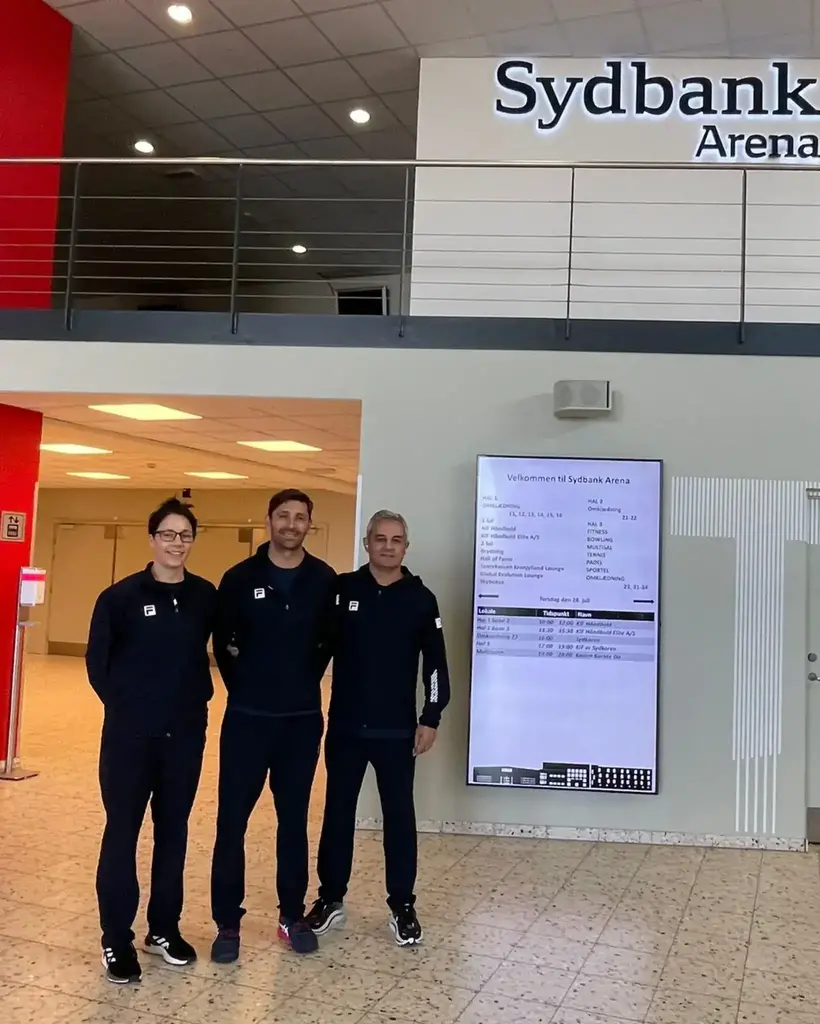
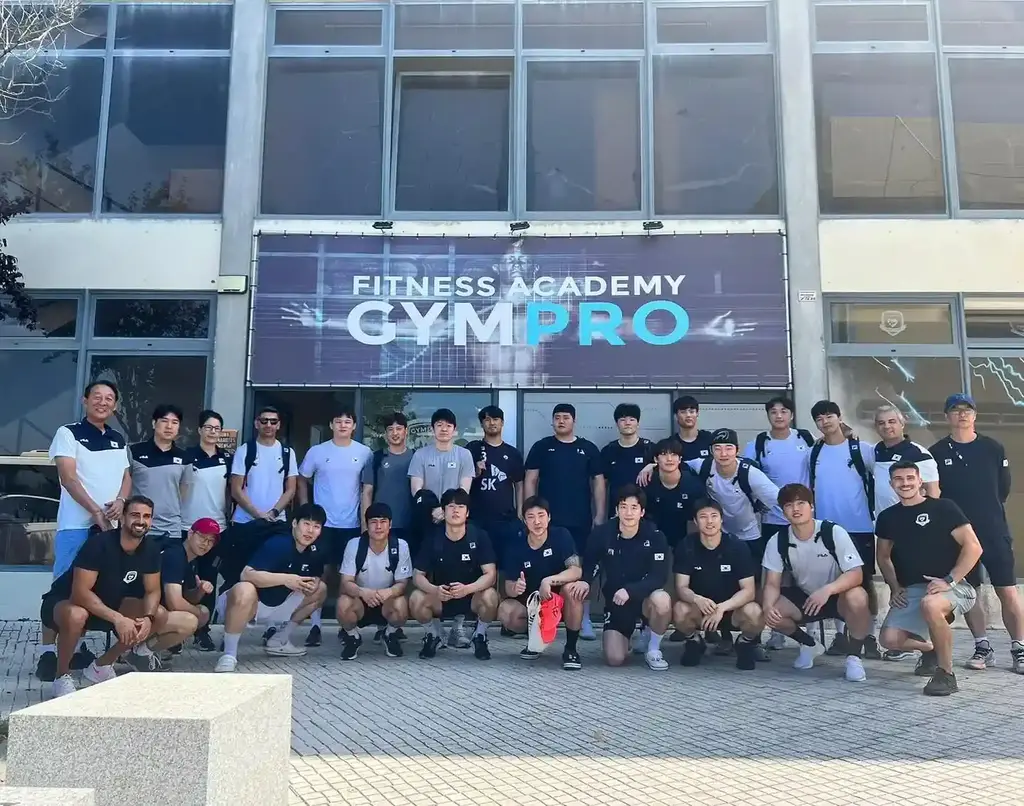
The first week we spent in South Korea at the National Training Center. The second week, we traveled to Denmark. After that, three intense weeks in Portugal. And finally, the last two weeks back in South Korea. This constant movement, this exposure to different training environments and competition styles, it all added layers of richness to what we were building together.
Traveling together creates bonds that static training camps can’t replicate. You share meals in unfamiliar restaurants. You navigate airports when flights get delayed. You watch how your athletes handle exhaustion, homesickness, and the small frustrations of life on the road. These moments reveal character in ways that training sessions never can.
I remember watching our goalkeepers support each other during the long travel days. When one person was struggling with jet lag, others would step in to help carry bags or grab coffee. These small acts of care told me everything about the culture we were building, even before we stepped into the training hall.
What Korean Culture Taught Me About Team Unity
I need to say something about the Korean culture and mentality, because it shaped everything about this experience. The capacity of these athletes to stay together as a team for such a long time, while maintaining an incredible level of mutual support, genuinely moved me.
In some cultures, spending seven weeks in close quarters with the same group of people would create friction. Egos would clash. Small annoyances would grow into larger conflicts. But I watched something different unfold with this team. I saw athletes who genuinely cared for each other’s wellbeing. I saw players encouraging their teammates during the hardest training sessions, not because a coach told them to, but because that’s who they are.
There’s a concept in Korean culture about putting the collective good above individual desires. I had read about this before arriving, but reading about something and witnessing it firsthand are very different things. When an athlete would make a mistake during practice, their teammates didn’t roll their eyes or express visible frustration. Instead, they offered quiet words of encouragement, or they simply moved on without making the moment bigger than it needed to be.
Goalkeeper coaching in South Korea taught me that cultural values around collective success, respect, and discipline create an environment where real growth becomes possible. When athletes show up not just for themselves but for their teammates, the quality of every practice session elevates naturally. This is something I carry with me now into every new project.
Bridging the Gap Between Asian and European Handball Styles
Our main focus during the camp was to improve individual skills (for both players and goalkeepers) and to strengthen our team play. But there was a bigger challenge underneath all of this: preparing our team to compete against handball styles that are fundamentally different from what they encounter in Asia.
European handball, as many coaches know, involves much more physical contact. The playing styles are faster in certain patterns, the angles of attack are different, the body types of opponents are often larger. For goalkeepers especially, this means adjusting positioning, timing, and save reactions for shooting distances and power levels they don’t regularly face at home.
Playing many friendly matches in Europe and having joint practices with European teams gave our goalkeepers direct exposure to these differences. It’s one thing to talk about European handball style in a meeting room. It’s something else entirely to stand in goal and experience it with your body. The shots come faster. The angles feel sharper. The physical presence of larger opponents changes how you read the play.
I spent hours with our goalkeepers breaking down video from these European matches. We would pause the footage and discuss positioning decisions, timing of movements, and anticipation strategies. Then we would go back to the training hall and translate those discussions into physical repetitions. This cycle of analysis, discussion, and practice repeated itself dozens of times over those seven weeks.
The Challenge of Introducing New Methodology
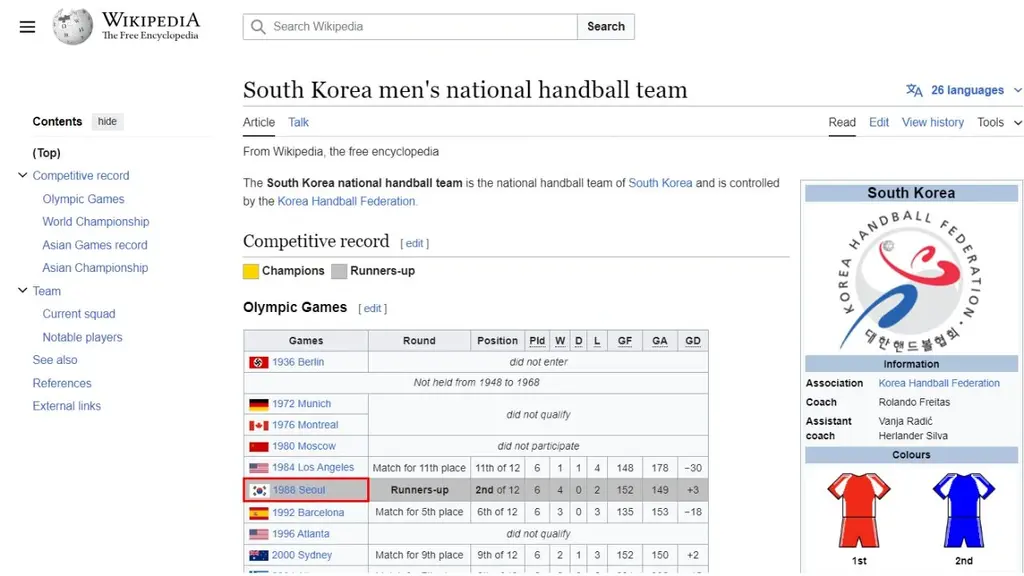
Rolando Freitas, Herlander da Silva, and I brought a different methodology when we arrived. We asked these athletes to question habits they had developed over years. We introduced new concepts, new drills, new ways of thinking about positioning and anticipation. Change like that is uncomfortable. It takes courage to accept that your previous way of doing things might not be optimal, and then put in the work to build new patterns.
I think about this aspect of coaching a lot. As coaches, we sometimes underestimate what we’re asking of our athletes when we introduce change. We’ve already done the mental work of understanding why the new approach is better. But the athlete is starting from scratch. They have to trust us enough to abandon something that felt natural and embrace something that feels foreign and awkward.
Goalkeeper coaching in South Korea required me to be patient in ways I hadn’t experienced before. The language barrier added another layer of complexity. I couldn’t always explain my reasoning with words. I had to demonstrate, repeat, encourage through tone and body language, and then trust the process even when progress felt slow.
Some days, the breakthroughs happened. A goalkeeper would make a save using new positioning we had practiced, and I could see the realization spreading across his face: “This actually works.” Those moments kept all of us going.
Other days, the old habits would reassert themselves. Under pressure, the body defaults to what it knows best. I learned to accept these moments as part of the journey rather than setbacks. We would review the video together, discuss what happened without judgment, and return to practice with renewed focus.
The Joy of Witnessing Goalkeeper Growth
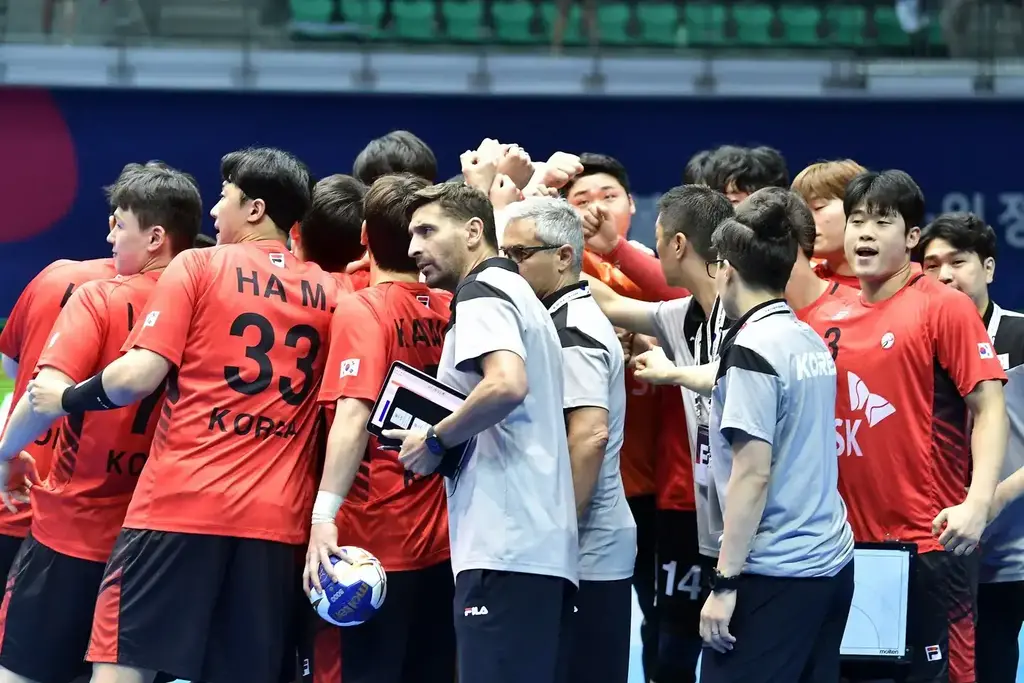
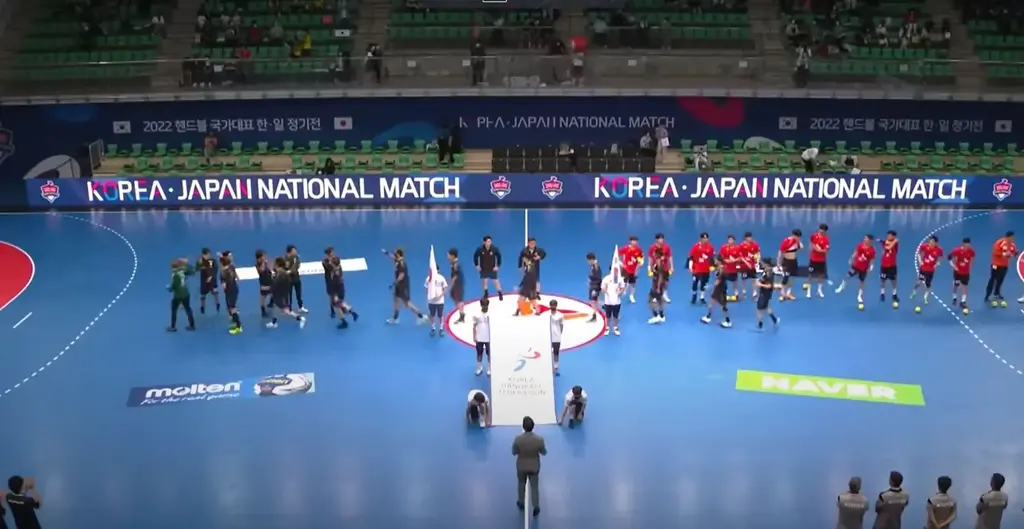
At the end of our seven-week camp, we played two friendly matches against Japan. We lost the first match. That stings, it always does. But we won the second one, and here’s what made it so meaningful for me: our goalkeeper Kim was named the MVP of the game.
I sat with that feeling for a while after it happened. Pride. Deep satisfaction. Not because I wanted to take credit for his performance, that would be missing the point entirely. But because I know exactly how hard and challenging it was for him, and for all of our goalkeepers, to adjust to a completely different way of coaching and training than what they were used to.
When Kim stood there receiving that MVP recognition, I saw in that moment everything our goalkeepers had invested. All those early mornings, all those extra repetitions, all those conversations about technique and mindset. The results don’t always show up in awards, but when they do, it validates the process in a way that words can’t quite capture.
This is why I do this work. Not for the awards or the recognition, but for these moments when an athlete discovers something new about their own potential. Goalkeeper coaching in South Korea gave me several of these moments, and each one reminded me why I fell in love with coaching in the first place.
Preparing for the World Championship
All of this work, all of these weeks of investment, pointed toward one goal: preparing the best we can for the World Championship in January 2023. At the time of writing the original version of this blog post, that tournament was still ahead of us. The anticipation, the nerves, the excitement, they were all building.
Preparing for a major championship carries a specific kind of pressure. You want your athletes to arrive confident but not complacent. You want them physically ready but not overtrained. You want their technical skills sharp but not overthought. Finding this balance is an art, not a science. You have to read your athletes every single day and adjust accordingly.
The seven weeks we spent together gave me the information I needed to guide each goalkeeper through this preparation phase individually. I knew who needed extra encouragement heading into big moments. I knew who performed better with less coaching input and more autonomy. I knew the specific technical adjustments each goalkeeper should focus on during warm-ups before matches.
The Human Element of International Coaching
What I want other coaches to understand about goalkeeper coaching in South Korea, and about international coaching more broadly, is that the human element matters more than any technical system you might bring.
Yes, I arrived with training plans and methodology and years of expertise. But none of that would have mattered if I hadn’t taken the time to understand who these athletes were as people. What motivated them? What scared them? What did they dream about achieving? What pressures did they face from families, fans, and their own expectations?
International coaching strips away the shortcuts you might rely on at home. You can’t assume shared cultural references. You can’t use idioms or humor that might translate poorly. You’re forced to communicate more clearly, more directly, and more compassionately because misunderstanding carries higher stakes.
I emerged from this experience a better coach not because I learned new drills or tactical concepts, but because I learned to listen more carefully, observe more closely, and adapt more willingly to what each athlete needed from me.
Looking Forward
Looking back now, I understand why goalkeeper coaching in South Korea stands out so vividly in my memory. It wasn’t just about the technical work we did, though we did plenty of that. It was about the human experience underneath it all.
I learned more about patience, about cultural humility, about the power of collective commitment. I watched athletes push through challenges that would have broken many people. I witnessed growth that reminded me why I chose this path.
If you’re a coach, whether you work with goalkeepers or not, I hope you get opportunities like this in your career. The kind of projects that stretch you, that take you out of familiar territory, that introduce you to athletes and cultures who expand your understanding of what’s possible.
Because at the end of the day, coaching isn’t just about winning games or developing technique. It’s about human connection. It’s about growth, yours and theirs. And sometimes, the experiences that teach you the most are the ones that push you furthest outside of what you already know. 🙂
Stay in Touch
Do you have any coaching challenges you’d like me to address? Let me know what topics you struggle with most in goalkeeper coaching by filling out this form.
Never miss an update
Subscribe to my newsletter to receive updates about my online and in-person projects, research papers, creative projects (blog posts, books, e-books), and new online programs.
My Online Video Courses:
– Level 1 Video Course for Coaches
– Level 2 Video Course for Coaches
– Sliding Technique Video Course
– Agility Ladder Drills Video Collection – 102 drills
Subject to Copyright
Unauthorized use and/or duplication of any content from this website without express written permission from this site’s owner is strictly prohibited. All content (including text, data, graphics files, images, illustrations, videos, and sound files) contained in www.vanjaradic.fi is copyrighted unless otherwise noted and is the property of Vanja Radic Coaching. If you wish to cite or use any content from my website, please contact me first to obtain permission.
No responses yet