
Review of The Coaching Year: Why Every Coach Needs This Practice
Every year around December, I sit down for what has become one of the most important rituals of my professional life: a review of the coaching year. It’s the time when I slow down, look back at everything that happened since January, and let myself fully absorb the journey. And I believe this practice isn’t just something that works for me. It’s something every coach should consider building into their annual rhythm.
Most people in sports are high achievers. We’re wired for the “go, go, go” energy. Always striving more, reaching higher, pushing toward the next goal. That drive is what makes us effective, but it can also become a trap if we never pause to process what we’ve actually accomplished and learned along the way.
The truth is, you can’t build a meaningful coaching career by running at full speed forever without stopping to check your direction. High achievement and deep reflection aren’t opposites. They’re partners. One fuels the other.
Key Takeaways
- High achievement and deep reflection are partners, not opposites. The “go, go, go” energy that makes coaches effective can become a trap if we never pause to process what we’ve learned. Slowing down isn’t weakness. It’s strategic.
- Discomfort during reflection is a sign you’re doing it right. Looking at your year honestly means encountering both pride and regret. That emotional weight is part of the growth process, not something to avoid.
- Gratitude transforms how you relate to your past. Even difficult experiences can be viewed through the lens of “what did this teach me?” This reframe doesn’t minimize pain. It honors it by recognizing its role in your development.
- Direction matters more than speed. Many coaches work incredibly hard but haven’t stopped to ask whether they’re heading somewhere they actually want to go. A yearly review creates space for that essential question.
- You need to see where you came from to move forward with intention. Appreciating your journey, all of it, is what allows you to build a career that fulfills you rather than one that simply exhausts you.
Why Coaches Often Skip This Step
I’ve talked to many coaches over the years who admit they never do any kind of formal year review. When I ask why, the answers tend to fall into a few categories.
Some say they’re too busy. The season ends, and before they have time to breathe, preparation for the next one has already started. Others feel uncomfortable with reflection. Looking back at failures or difficult moments doesn’t feel productive. It feels painful. And some coaches simply don’t know where to start. Without a framework, the idea of reviewing an entire year feels overwhelming.
I understand all of these reasons. I’ve felt them myself at different points in my career. But here’s what I’ve discovered: the coaches who do take time for a review of the coaching year consistently report feeling more grounded, more clear about their direction, and more connected to their own growth than those who skip it.
The discomfort of reflection is real, but it’s temporary. The clarity that comes from looking at your year honestly lasts much longer.
What a Coaching Year Review Actually Looks Like
There’s no single right way to do this, but I can share what works for me and what I’ve seen work for other coaches I’ve mentored over the years.
I start by simply recalling everything that happened. Not just the big moments, but the small ones too. The training sessions that felt difficult. The conversations with athletes that stayed with me. The times I felt proud of how I handled a situation. The times I wish I had done something differently.
I write these down without judgment. This part isn’t about evaluating whether I did well or poorly. It’s about seeing the full picture of what the year actually contained. A review of the coaching year should capture reality, not just the highlight reel.
After I have this inventory of experiences, I look for patterns. What situations brought out my best coaching? What triggered my frustration or impatience? Where did I grow? Where did I stay stuck? These patterns tell me more about my development than any external metric ever could.
My Year in Review: 2022
Let me share my own review from that year as an example of what this reflection process can reveal.
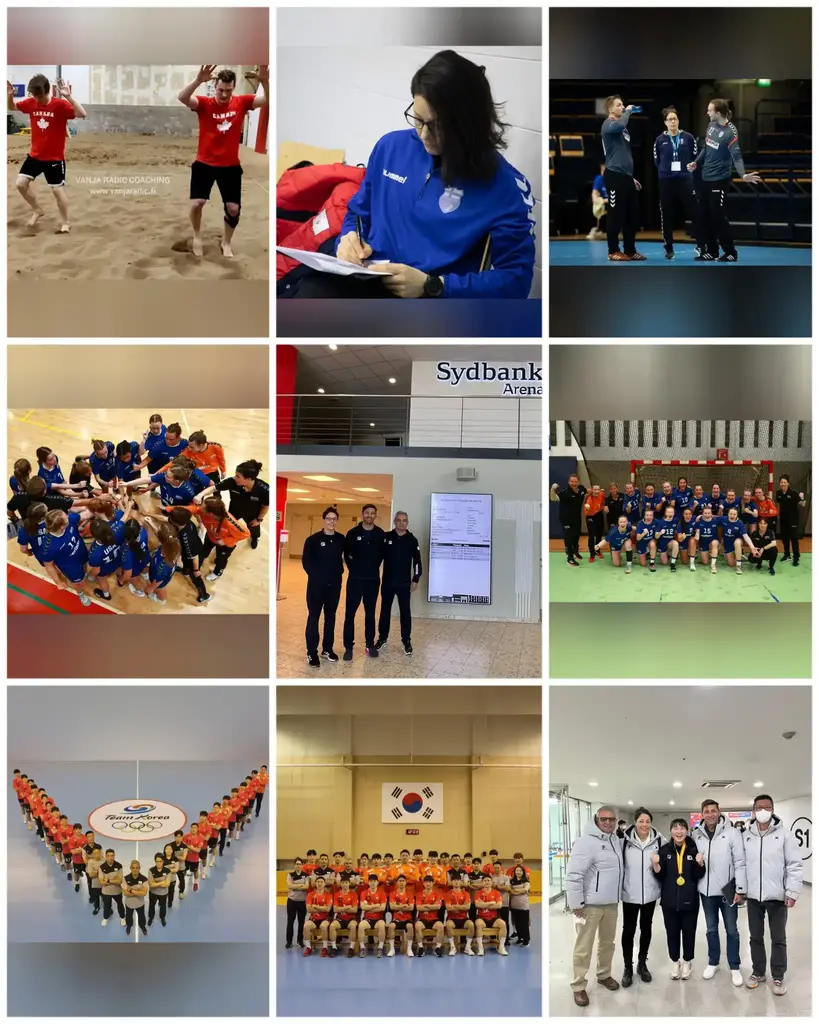
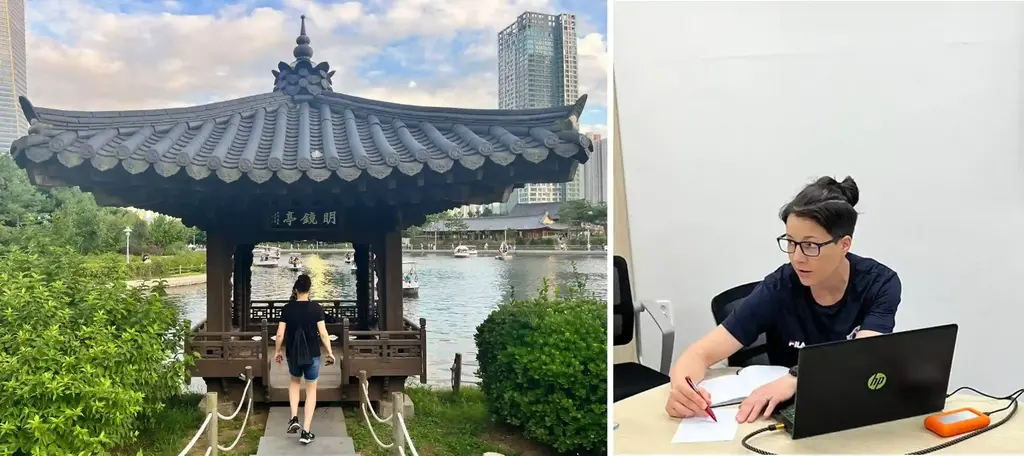
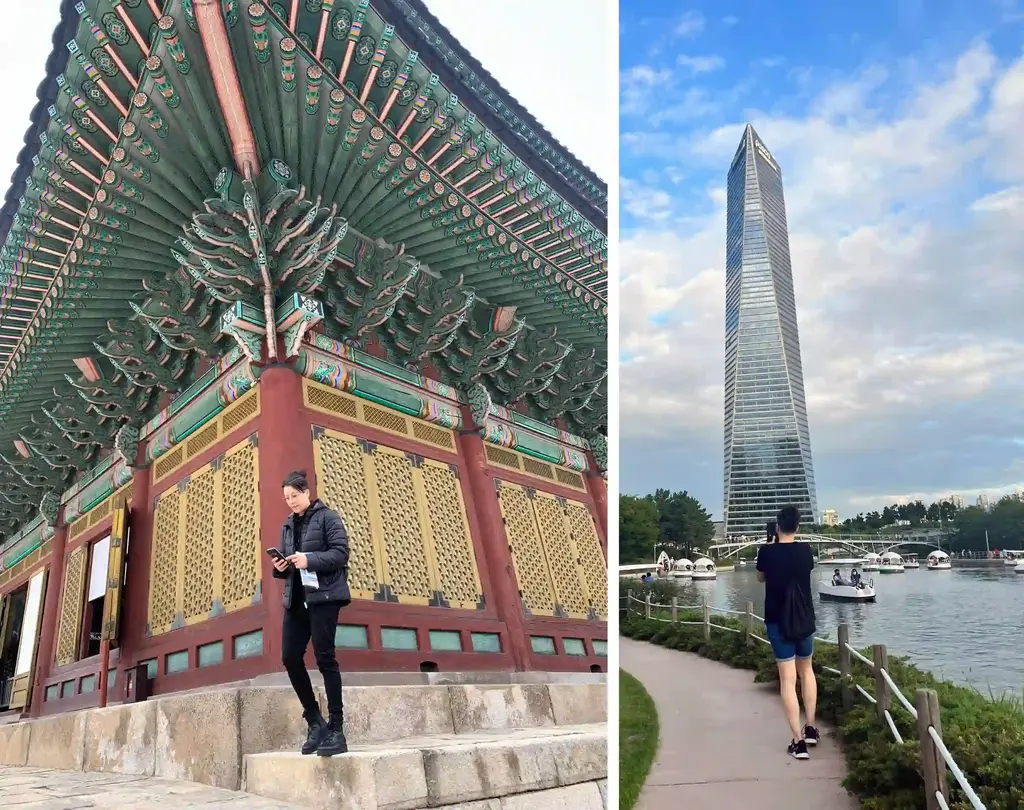
During 2022, I traveled, worked, rested, and learned continuously across three continents: Europe, North America, and Asia. I visited more countries than I can quickly count. I experienced new cultures, new approaches to handball, new lessons in areas I didn’t even know I needed to learn.
When people asked me where I’m from and where I live, the answer always made them smile. Originally from Bosnia and Herzegovina, Finnish citizen after living in Finland for 11 years, moved to Canada in 2021, and working with the national team of the Republic of Korea. The usual reaction: “Wow, you are living a very exciting life!”
And I agree. But living this kind of multidimensional life requires a lot of planning, a lot of sacrifices, a lot of inward time for reflection and integration, constant change, constant learning, and of course enormous support from my family.
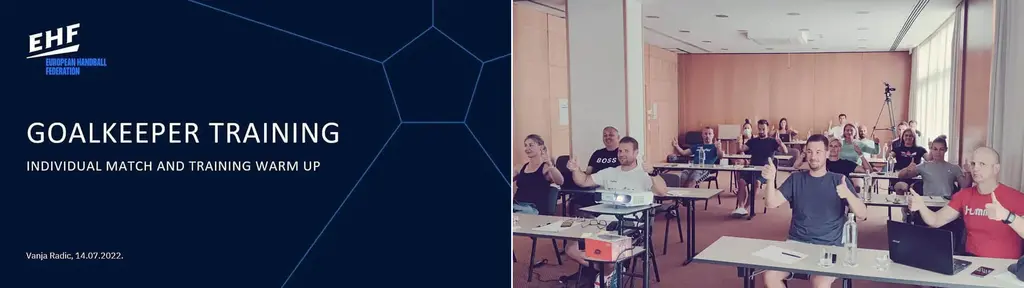
That year, I worked online with coaches and goalkeepers from countries worldwide through my coaching offerings. I was also honored to work in person with four national teams: Finland, USA, Canada, and Republic of Korea. And I lectured for the first time as an EHF Expert at the EHF Master Coach Course in Porto.
Sitting with all of this during my review of the coaching year, I felt deep gratitude. Not just for the external achievements, but for the relationships, the trust people placed in me, the humanity I witnessed in every country I visited.
The Emotional Weight of Looking Back
What I want other coaches to understand is that this kind of reflection carries emotional weight. And that’s actually the point.
When you look at your year honestly, you’re going to encounter moments that bring up pride and moments that bring up regret. You’ll remember the athlete you helped transform and the one you couldn’t quite reach. You’ll see the decision you made that worked beautifully and the one you wish you could take back.
Sitting with these feelings is part of the growth process. A review of the coaching year isn’t meant to be comfortable. It’s meant to be clarifying. The discomfort is temporary, but the insight you gain shapes how you approach the year ahead.
I’ve found that gratitude is the best lens to use during this process. Even when examining difficult moments, I try to ask: what did this experience give me? What did I learn that I wouldn’t have learned otherwise? How am I different now because of what happened?
This reframe doesn’t minimize the pain of hard experiences. It honors them by recognizing their role in my development.
Direction Matters More Than Speed
One of the biggest insights I’ve gained from doing yearly reviews is this: it’s not only about being on the go all the time. It’s also about selecting the direction in which we should go.
So many coaches I meet are working incredibly hard, putting in long hours, sacrificing personal time, but they haven’t stopped to ask whether they’re heading in a direction that actually aligns with what they want. They’re running fast, but they’re not sure where they’re running to.
A review of the coaching year creates space to ask that question. Where did I spend my energy this year? Was it worth it? Where do I want my coaching career to go next? What would have to change for me to get there?
These questions matter. They’re the difference between building a career that fulfills you and building one that simply exhausts you.
How to Do Your Own Year Review
If you’ve never done this before, here’s a simple framework to get you started.
First, set aside uninterrupted time. This isn’t something you can do in fifteen minutes between meetings. Block at least two hours, ideally more. Find a quiet space where you won’t be interrupted.
Second, gather your materials. I like to look through my calendar from the year, any photos I took, emails from athletes or colleagues, notes from training sessions. These artifacts help jog my memory about moments I might otherwise forget.
Third, write freely without editing. Make a list of everything that happened. Big moments, small moments, professional experiences, personal growth. Don’t worry about organizing it yet. Just capture it.
Fourth, look for themes. Once you have your inventory, step back and ask what patterns you notice. Where did you thrive? Where did you struggle? What kept coming up again and again?
Fifth, express gratitude. For every experience on your list, even the difficult ones, write down what you’re grateful for about it. This practice shifts your relationship with your past from one of judgment to one of appreciation.
Finally, set intentions for the year ahead. Based on what you learned from your review of the coaching year, what do you want to bring more of into next year? What do you want to leave behind?
The Gift of Seeing Your Journey
To have a good quality of life journey forward, we need to be able to see where we came from. We need to appreciate every single aspect of that journey so far, not just the wins, but the losses too. Not just the moments of clarity, but the times of confusion.
This is what a yearly review gives you. It gives you perspective on your own story. It reminds you how far you’ve already come. And it helps you move forward with intention rather than just momentum.
The people I’ve met through handball have enriched my life in ways I can’t fully describe. The friendships, the trust, the humanity, the loyalty, the kindness, the professionalism. All of it has shaped who I am as a coach and as a person.
A review of the coaching year is my way of honoring those experiences. It’s my way of making sure I don’t rush past the gifts that this career keeps bringing into my life. 🙂
A Question For You
I’d love to hear from you. Do you do any kind of yearly reflection on your coaching? If so, what does your process look like? And if you’re not doing it, do you know why? What’s holding you back?
Sometimes the thing stopping us from starting a valuable practice is simpler than we think. And sometimes, just hearing that other coaches do this makes it feel more possible to try.
Stay in Touch
Do you have any coaching challenges you’d like me to address? Let me know what topics you struggle with most in goalkeeper coaching by filling out this form.
Never miss an update
Subscribe to my newsletter to receive updates about my online and in-person projects, research papers, creative projects (blog posts, books, e-books), and new online programs.
My Online Video Courses:
– Level 1 Video Course for Coaches
– Level 2 Video Course for Coaches
– Sliding Technique Video Course
– Agility Ladder Drills Video Collection – 102 drills
Subject to Copyright
Unauthorized use and/or duplication of any content from this website without express written permission from this site’s owner is strictly prohibited. All content (including text, data, graphics files, images, illustrations, videos, and sound files) contained in www.vanjaradic.fi is copyrighted unless otherwise noted and is the property of Vanja Radic Coaching. If you wish to cite or use any content from my website, please contact me first to obtain permission.
No responses yet