Rest and Recovery for Coaches: Why I Took 47 Days Off After Coaching at the Olympics
Coaches are often the last people to take care of themselves. We pour everything into our athletes, our training plans, our teams, and somewhere along the way, our own rest and recovery for coaches becomes an afterthought. I know this pattern well because I’ve lived it. And after coaching at the Paris Olympics in summer 2024, I made a deliberate choice to break that pattern. I took 47 days off.
Not just a long weekend. Not just a week between projects. Forty-seven consecutive, full days of rest, recovery, family time, and intentional stepping back from coaching. Many of my colleagues thought I was crazy. Most of them had returned to their clubs within a week of the Olympics ending. But I knew something important: without proper rest and recovery, I wouldn’t be able to sustain the level of coaching I want to provide. More importantly, I wouldn’t be able to sustain myself.
In this post, I want to share why rest and recovery for coaches matters so much, what happens when we ignore it, and how taking extended breaks actually makes us better at what we do.
Key Takeaways
- Rest and recovery for coaches is professional necessity, not luxury. The culture that celebrates constant work creates burnout, health problems, and worse coaching. Sustainable excellence requires adequate recovery built into coaching careers.
- Inadequate recovery affects everything: cognition, emotion, health, and relationships. Chronically fatigued coaches think less clearly, respond less appropriately, get sick more often, and damage important relationships. The costs compound over time.
- Extended recovery provides benefits that short breaks can’t. Perspective returns, creativity refreshes, passion rekindles, health stabilizes, and relationships heal during genuine recovery periods. These benefits make coaches more effective when they return.
- Taking rest requires intentionality and boundary-setting. Recovery doesn’t happen accidentally. It requires advance planning, clear communication, actual disconnection, and resistance to guilt that coaching culture often generates.
- Your capacity to help others depends on caring for yourself. Taking extended rest after intense periods isn’t abandoning responsibility. It’s fulfilling the deeper responsibility to remain capable of excellent coaching over time.
The Coaching Culture That Works Against Us
There’s a pervasive culture in coaching that celebrates constant work. The coach who sleeps only four hours every night. The coach who never takes days off. The coach who sacrifices everything for the team. We admire these stories, share them with reverence, and often try to emulate them.
But this culture is damaging. It creates unsustainable patterns that lead to burnout, health problems, relationship difficulties, and ultimately, worse coaching. The irony is painful: by refusing rest and recovery for coaches as a legitimate need, we become less effective at the very thing we’re sacrificing our wellbeing for.
I’ve watched talented coaches burn out and leave the profession entirely. I’ve seen colleagues develop serious health issues from chronic stress and inadequate recovery. I’ve observed relationships crumble under the weight of coaching demands that never allowed for balance. These aren’t rare exceptions. They’re common outcomes of a culture that treats rest as weakness.
We need to change this narrative. Rest and recovery for coaches isn’t a luxury or a sign of insufficient dedication. It’s a professional necessity that makes sustainable, high-quality coaching possible.
What Happens When Coaches Don’t Rest
Let me be specific about what inadequate recovery actually does to coaches, because understanding the consequences helps justify the remedy.
Cognitive Decline
Coaching requires sharp thinking. Reading game situations, making tactical adjustments, communicating clearly under pressure, analyzing performance, these all demand cognitive resources that deplete without adequate rest. Sleep-deprived, chronically fatigued coaches make worse decisions. They miss things they would normally see. Their communication becomes less clear. Their ability to process complex information decreases.
Rest and recovery for coaches directly affects cognitive performance. When we’re rested, we think better. We see more. We respond more appropriately to the endless stream of decisions coaching requires.
Emotional Depletion
Coaching is emotionally demanding. We manage our own emotions while supporting athletes through theirs. We navigate relationships with players, staff, administrators, parents. We handle pressure, disappointment, conflict, and high-stakes situations regularly.
This emotional labor depletes resources that must be replenished. Without adequate recovery, coaches become emotionally flat, reactive, or volatile. They lose the capacity for the patience, empathy, and emotional regulation that effective coaching requires.
I’ve felt this depletion myself. After extended periods of intense coaching without sufficient recovery, I noticed my patience wearing thin. My ability to respond thoughtfully rather than react impulsively decreased. My capacity to be present with athletes diminished. These aren’t character flaws. They’re symptoms of inadequate rest and recovery for coaches who are pushing beyond sustainable limits.
Physical Health Impacts
Chronic stress without adequate recovery affects physical health in documented ways. Elevated cortisol, compromised immune function, disrupted sleep patterns, cardiovascular strain. Coaches who don’t rest get sick more often. They develop chronic conditions. They age faster than their years.
The physical demands of coaching, long hours, travel, irregular schedules, physical activity during sessions, require physical recovery. Ignoring this need doesn’t make it disappear. It just shifts the consequences into the future, where they compound with interest.
Relationship Damage
Coaching demands time and energy that comes from somewhere. Often, it comes from relationships with family, friends, and partners. Without intentional recovery periods that allow for relationship investment, these connections weaken.
I’ve seen coaches who achieved tremendous professional success while their personal relationships deteriorated. Some reached the pinnacle of their sport and found themselves alone. The cost wasn’t worth the achievement.
Rest and recovery for coaches must include time for the relationships that sustain us. No professional accomplishment compensates for fundamental human connection.
Why Coaches Resist Rest
Understanding why coaches resist necessary rest helps us overcome that resistance. Several factors contribute to this pattern.
Identity Fusion
Many coaches fuse their identity entirely with their coaching role. They are their job. Taking time away feels like losing themselves, becoming nobody. This identity fusion makes rest psychologically threatening rather than restorative.
Healthy coaching requires a sense of self that extends beyond the profession. Rest and recovery for coaches becomes easier when coaches maintain identity in multiple domains: as family members, as people with interests outside sport, as individuals with intrinsic worth independent of professional achievement.
Fear of Falling Behind
Competition in coaching is real. There’s always someone willing to work more, sacrifice more, push harder. Taking rest can feel like giving competitors an advantage, falling behind in some imaginary race.
But this fear misunderstands how sustainable success works. The coaches who last, who sustain high performance over decades, are often those who pace themselves appropriately. Burning bright and fast leads to burning out. Rest and recovery for coaches is how we stay in the profession long enough to achieve truly meaningful impact.
Guilt and Obligation
Coaches feel responsible for their athletes, their programs, their institutions. Taking time away can trigger guilt about abandoning these responsibilities. This guilt keeps coaches working when they should be recovering.
But consider the alternative: a depleted coach provides worse support than a rested one. Taking necessary recovery isn’t abandoning responsibility. It’s fulfilling the deeper responsibility to be capable of excellent work over time.
Cultural Pressure
The coaching culture I described earlier creates real social pressure against rest. Colleagues who work constantly, explicitly or implicitly, judge those who don’t. Taking extended breaks can feel professionally risky, inviting questions about commitment or ambition.
Changing this culture requires coaches who are willing to model different patterns. When respected coaches openly prioritize rest and recovery for coaches as essential professional practice, it gives others permission to do the same.
The Benefits of Extended Recovery
Now let me share what actually happens when coaches take the rest they need. The benefits extend far beyond simply “feeling better.”
Perspective Returns
When you’re deep in the daily demands of coaching, you lose perspective. Everything feels urgent. Small problems seem enormous. You can’t see the forest for the trees.
Extended recovery creates distance that restores perspective. You remember what actually matters. You see your work more clearly. You recognize what was working and what wasn’t. This perspective is invaluable for improving as a coach.
Rest and recovery for coaches creates the space for reflection that daily work doesn’t allow. Some of my most important coaching insights have come during recovery periods, when I finally had room to think deeply about what I’d experienced.
Creativity Refreshes
Coaching requires creativity. Solving problems, designing training, motivating athletes, adapting to challenges, these all benefit from creative thinking. But creativity depletes with overuse and replenishes with rest.
During my 47 days off, ideas started flowing that hadn’t come during the intense working period. New approaches to training challenges. Different ways of communicating concepts. Fresh perspectives on problems I’d been stuck on. This creative renewal only happened because I created space for it.
Passion Rekindels
Even coaches who love their work can lose touch with that love during extended periods of intense demand. The joy gets buried under pressure, responsibility, and exhaustion. Taking rest allows passion to resurface.
I returned from my recovery period genuinely excited about coaching again. Not obligated or dutiful, but actually excited. This renewed passion makes me a better coach than I would be if I’d pushed through without a break.
Rest and recovery for coaches protects and restores the passion that drew us to this work in the first place.
Health Stabilizes
Physical and mental health both benefit from adequate recovery. Sleep normalizes. Stress hormones decrease. Immune function improves. Mood stabilizes. The accumulated physical and psychological debt from intense working periods gets paid down.
I noticed tangible health improvements during my extended break. Better sleep. More stable energy. Reduced tension. These aren’t minor benefits. They affect every aspect of how I function.
Relationships Heal
Extended recovery provides time for relationships that intense coaching periods neglect. Time with family. Connection with friends. Investment in partnership. These relationships sustain us through demanding professional periods, but only if we maintain them.
After 2.5 years of living in Canada while coaching in South Korea and traveling constantly to Europe, my family relationships needed attention. My 47 days included focused time with my children and partner that simply wasn’t possible during active coaching periods. This investment in relationship health makes me a more complete person and, ultimately, a better coach.
How to Actually Take Rest
Understanding the importance of rest and recovery for coaches is one thing. Actually taking it is another. Here’s what I’ve learned about making recovery happen.
Plan It In Advance
Rest doesn’t happen by accident. It requires planning. Before your demanding period starts, identify when recovery will happen. Put it in the calendar. Make commitments that prevent that time from being consumed by work.
I knew before the Olympics that I would take extended time off afterward. This wasn’t a spontaneous decision when I happened to feel tired. It was a planned, protected recovery period that I had committed to in advance.
Set Boundaries and Communicate Them
During recovery periods, you’ll face pressure to work. Opportunities will arise. People will want your time. Without clear boundaries, rest evaporates.
Communicate your boundaries clearly. Let people know you’re unavailable and when you’ll return. Don’t apologize excessively for taking necessary rest. Present it as the professional practice it is.
Rest and recovery for coaches requires saying no to things you might normally say yes to. This is difficult but essential.
Actually Disconnect
Recovery with constant work intrusions isn’t really recovery. Checking email, taking calls, responding to messages, these prevent the psychological distance that true rest requires.
During my 47 days, I actually disconnected from coaching work. I wasn’t monitoring situations or staying “involved but at a distance.” I was genuinely away. This full disconnection allowed complete recovery in ways that partial disconnection wouldn’t.
Fill the Time Intentionally
Recovery isn’t just absence of work. It’s presence of other things. Family time. Personal interests. Health practices. Learning in different areas. Experiences that refresh and inspire.
I used my recovery time for family, self-care, self-development, and learning in new professional directions. This wasn’t empty time. It was full time, just full of different things than coaching.
Resist the Guilt
Guilt will arise. The voice that says you should be working, that others are working, that you’re falling behind or abandoning responsibilities. Recognize this guilt as a product of unhealthy culture rather than accurate assessment.
Rest and recovery for coaches is not laziness or insufficient dedication. It’s professional practice that enables sustainable excellence. Remind yourself of this when guilt appears.
Return Gradually
After extended recovery, don’t immediately jump back into maximum intensity. Plan a gradual return that allows you to reintegrate without immediately depleting the reserves you’ve built.
I’ve structured my return from this recovery period intentionally. Online projects that don’t require travel. Gradual increase in commitments. Protection of the patterns I established during rest. This gradual return preserves the benefits of recovery longer.
What Recovery Looks Like for Different Coaches
Rest and recovery for coaches isn’t one-size-fits-all. What works depends on your situation, demands, and personal needs.
Club Coaches
Club coaches often have seasonal rhythms that create natural recovery opportunities. End of season breaks, mid-season pauses, off-season periods. Using these intentionally for genuine recovery rather than filling them with camps, clinics, and professional development creates sustainability.
National Team Coaches
National team schedules often involve intense concentrated periods followed by longer breaks. This rhythm suits extended recovery after major competitions, as I experienced following the Olympics.
Full-Time vs. Part-Time
Full-time coaches may need to be more intentional about protecting recovery time, while part-time coaches might find recovery happening more naturally but need to protect against constant low-level involvement that prevents full disconnection.
Different Life Situations
Coaches with young children, aging parents, health challenges, or other personal demands may need to structure recovery differently than those without these factors. Rest and recovery for coaches must account for the whole person, not just the professional role.
My Personal Reflection: 47 Days After the Olympics
Let me share the specific circumstances that led to my extended recovery, because context matters for understanding why I made the choices I did.
After coaching at the Paris Olympics with the women’s national team of South Korea, I had completed an extraordinary period of my coaching career. Over 2.5 years, I had been living in Canada while coaching in Asia and traveling frequently to Europe for preparation camps and competitions. This involved constant travel, dramatic time zone changes, adjustments in living environment, and disruption to daily habits and rituals.
The Olympics represented a culmination of this intense period. Coaching at the highest level of international competition required everything I had to give. And when it was over, I knew that rest and recovery for coaches wasn’t optional for me. It was essential.
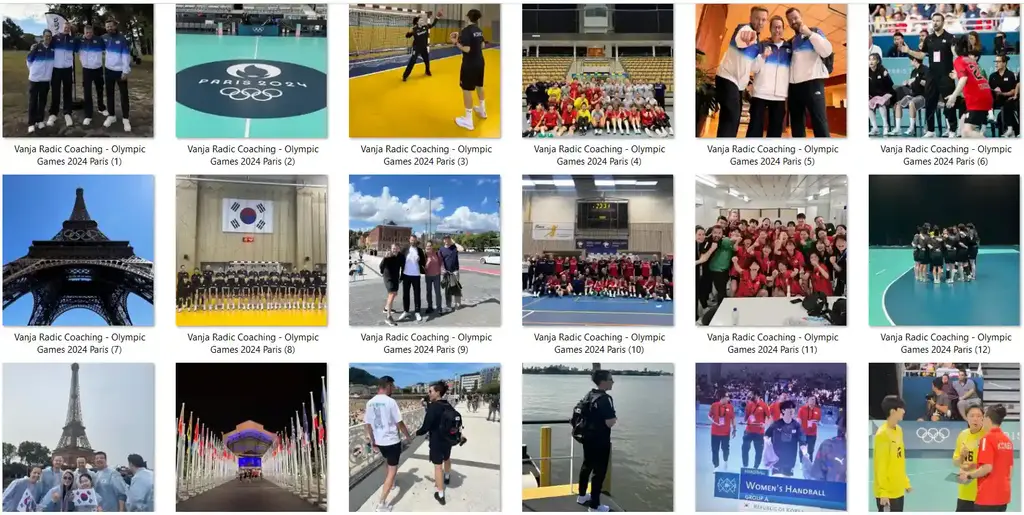
Many of my colleagues returned to their clubs within days of the Olympics ending. Three days off. Five days. Seven days at most. I chose a different path. I took 47 days.
During this time, I focused on family, self-care, self-development, learning in new professional directions, and integrating all the amazing experiences I had lived through. This wasn’t wasted time. It was investment in my capacity to continue coaching at a high level.
This period also marked the end of my work with the handball federation of South Korea, which I loved deeply. Closing that chapter required processing, both professionally and emotionally. Recovery time allowed that processing to happen naturally.
I had to say no to some interesting in-person coaching offers during this period. This was difficult, but necessary. Rest and recovery for coaches sometimes means declining good opportunities to protect essential recovery.
I remain open to online coaching projects with federations, national teams, clubs, or individuals. The recovery was about stepping back from constant travel and intense in-person demands, not about leaving coaching entirely.
Looking back, I’m grateful for every day of those 47 days. I returned to work with renewed perspective, refreshed creativity, rekindled passion, stabilized health, and strengthened relationships. The investment in recovery paid dividends that will continue throughout my next coaching chapter.
An Invitation to Coaches
If you’re a coach reading this, I want to encourage you to take rest and recovery seriously. Not as something you’ll get to eventually. Not as a luxury for coaches with more resources or fewer demands. As a professional practice essential for sustainable coaching.
Look at your calendar. Where is your next significant recovery period? If you can’t identify one, that’s a problem worth addressing.
Consider what patterns in coaching culture you might be unconsciously reinforcing. Do you celebrate overwork in ways that pressure yourself and others to neglect recovery?
Reflect on what you need to recover from current or past demands. Sleep? Family time? Physical health attention? Psychological processing? Space for reflection?
Rest and recovery for coaches benefits not only the coaches themselves but everyone they work with. Rested coaches are better coaches. They see more clearly, respond more appropriately, maintain patience longer, and sustain excellence across careers rather than burning out.
Taking care of yourself isn’t selfish. it’s essential. Whatever that looks like for you, I hope you find ways to prioritize it. Your athletes, your relationships, and your future self will thank you.
Stay in Touch
Do you have any coaching challenges you’d like me to address? Let me know what topics you struggle with most in goalkeeper coaching by filling out this form.
Never miss an update
Subscribe to my newsletter to receive updates about my online and in-person projects, research papers, creative projects (blog posts, books, e-books), and new online programs.
My Online Video Courses:
– Level 1 Video Course for Coaches
– Level 2 Video Course for Coaches
– Sliding Technique Video Course
– Agility Ladder Drills Video Collection – 102 drills
Subject to Copyright
Unauthorized use and/or duplication of any content from this website without express written permission from this site’s owner is strictly prohibited. All content (including text, data, graphics files, images, illustrations, videos, and sound files) contained in www.vanjaradic.fi is copyrighted unless otherwise noted and is the property of Vanja Radic Coaching. If you wish to cite or use any content from my website, please contact me first to obtain permission.
No responses yet