
Preparations for Big Competitions: How to Build Toward Your Biggest Goals
There’s something uniquely exciting about standing at the starting line of a new preparation cycle. Every time I enter preparations for big competitions, I feel that same spark of possibility that I felt the first time. The goal is out there on the horizon, months away, and the work ahead is both daunting and energizing.
With the Korean men’s national handball team, we stood at the starting point of a new block of preparation for the 19th Asian Games and the qualifications for the Olympic Games. Five months of focused work stretched ahead of us. Five months to build something together. Five months of daily choices that would accumulate into whatever results we achieved at the end.
This post is about what that process looks like from the inside, what I’ve learned about preparing athletes for the highest levels of competition, and what I believe every coach should understand about turning big dreams into achievable realities.
Key Takeaways
- Consistency trumps intensity over long preparation cycles. The athletes who show up day after day, week after week, outperform those who train brilliantly but inconsistently. Design preparation programs that are sustainable, not just theoretically optimal.
- Know your what, when, how, and why. Clear thinking about these questions makes your coaching more effective and allows intelligent adaptation when circumstances change. If you can’t explain your reasoning, you probably haven’t thought deeply enough about your approach.
- Mental preparation deserves equal attention to physical and technical work. At the highest levels, psychological factors often determine outcomes. Build confidence through competence, train focus systematically, and expose athletes to pressure before competition.
- The emotional journey of preparation is real and normal. Motivation fluctuates. Energy varies. Frustration happens. Accepting this reality rather than fighting it makes the process more manageable for everyone involved.
- Enjoyment and gratitude are performance tools, not luxuries. Athletes who enjoy their preparation are more consistent and resilient. Coaches who feel grateful bring more energy to their work. Make space for joy even within serious preparation.
The Spark That Starts Everything
Every big dream starts with a little spark of inner fire. I’ve seen this spark in the eyes of athletes when they first realize what they’re capable of achieving. I’ve felt it in myself at the outset of projects that seemed almost too ambitious to attempt.
But here’s what separates those who achieve their dreams from those who only imagine them: the ability to maintain and increase that starting flame inside the heart of your desire. Preparations for big competitions require sustained motivation over long periods. The initial excitement fades. The daily grind sets in. The goal that seemed so clear in the first week becomes abstract after months of repetitive work.
This is where most people fail. Not because they lack talent. Not because their goals are unrealistic. But because they can’t sustain the fire that got them started.
So how do you keep the flame alive? How do you maintain intensity and focus across months of preparation? These are questions I’ve thought about deeply, and I want to share what I’ve discovered.


Commitment to Consistency
Commitment to consistency should be non-negotiable at all times. This is one of the most important principles I operate by, and I see it validated again and again in how elite athletes and coaches approach their work.
Consistency isn’t glamorous. It doesn’t make for exciting social media content. It’s the unsexy daily grind of showing up and doing the work whether you feel like it or not. But consistency is what builds the foundation that everything else rests on.
During preparations for big competitions, I’ve watched athletes who were more talented than their peers get surpassed by competitors who simply showed up more consistently. Talent creates potential. Consistency realizes it.
For coaches, this means designing training programs that athletes can actually sustain. It means creating environments where showing up feels possible even on difficult days. It means modeling consistency yourself, because athletes notice whether you practice what you preach.
Consistency also means being honest about what’s realistic. A training plan that’s perfect on paper but impossible to maintain is worse than a moderate plan that gets executed day after day. The best plan is the one your athletes will actually follow.
The Four Pillars: Hard Work, Persistence, Dedication, and Consistency
Hard work, persistence, dedication, and consistency are the factors that bring results at the end. I list these together because they work together. You can’t substitute one for another.
Hard work without persistence collapses at the first significant obstacle. Persistence without dedication becomes aimless grinding. Dedication without consistency produces sporadic bursts that never accumulate into lasting change. And consistency without hard work is just showing up without actually improving.
Preparations for big competitions require all four elements working in harmony. Let me explain what each one looks like in practice.
Hard work means pushing beyond comfort zones. It means training sessions that challenge athletes to do things they couldn’t do yesterday. It means accepting fatigue, discomfort, and difficulty as necessary parts of the growth process. But hard work must be smart work too, directed at specific goals rather than random exertion.
Persistence means continuing when progress isn’t visible. There will be weeks during any preparation cycle when nothing seems to be improving. Athletes feel stuck. Coaches wonder if their methods are working. Persistence is what carries you through these valleys until you reach the next peak.
Dedication means treating your goal as non-negotiable. It means making choices that align with your preparation even when those choices are inconvenient. Sleep instead of late nights. Training instead of rest days that aren’t needed. Focus instead of distraction.
Consistency means doing all of this day after day, week after week, month after month. It’s the accumulation of hundreds of small decisions that eventually becomes something significant.
Knowing What, When, How, and Why
Know what, when, how, and why you are doing as a coach. This principle guides everything about how I approach preparations for big competitions.
Let me break this down, because I think many coaches skip over these questions too quickly.
What: What specifically are you trying to develop in this training block? What technical elements need improvement? What tactical systems need to be installed? What physical capacities need to be built? The clearer your answer to this question, the more focused your work becomes.
When: When in the preparation cycle should different elements receive emphasis? Periodization matters enormously. The training that’s appropriate three months before competition is different from the training that’s appropriate three weeks before. Timing your interventions correctly can be the difference between athletes peaking at the right moment or arriving at competition flat or overtrained.
How: How will you develop the elements you’ve identified? What methods, drills, exercises, and approaches will you use? How will you progress the difficulty over time? How will you provide feedback and correction? The how is where your coaching expertise gets expressed practically.
Why: Why have you chosen this particular approach? Can you explain the reasoning behind your decisions? The why is what allows you to adapt when circumstances change. If you only know what you’re doing without understanding why, you can’t adjust intelligently when something isn’t working.
Preparations for big competitions demand clear thinking about all four of these questions. Coaches who can articulate their what, when, how, and why tend to produce better results and handle unexpected challenges more effectively.
Physical Preparation Considerations
Physical preparation forms the foundation that everything else builds upon. Athletes can’t execute technical skills or tactical plans if their bodies aren’t capable of sustaining the demands of competition.
For goalkeepers specifically, physical preparation involves multiple dimensions. There’s the baseline conditioning that allows them to perform across entire matches and tournaments. There’s the explosive power needed for quick reactions and diving saves. There’s the flexibility and mobility that enables full extension in all directions. There’s the core stability that provides the platform for effective technique.
During preparations for big competitions, I think about physical preparation in phases. Early in the cycle, there’s room for heavier loading and more fundamental conditioning work. As competition approaches, the emphasis shifts toward maintaining what’s been built while adding sport-specific speed and sharpness.
The challenge is balancing development with recovery. Push too hard and athletes break down. Push too little and they arrive at competition underprepared. Finding this balance requires attention to how individual athletes are responding, not just following a predetermined plan regardless of feedback.
Technical Preparation and Refinement
Technical preparation at the senior national team level is different from technical development with younger athletes. Senior players have established patterns. Their technique is largely formed. Major changes are difficult and risky close to competition.
During preparations for big competitions with senior athletes, I focus on refinement rather than reconstruction. What small adjustments can improve efficiency? What specific situations need targeted work? Where are the technical vulnerabilities that opponents might exploit?
Video analysis becomes essential here. Watching previous matches and training sessions reveals details that aren’t visible in real time. I can identify patterns, spot areas for improvement, and track whether our interventions are producing change.
For goalkeepers, technical preparation during competition cycles often involves fine-tuning positioning, working on specific save scenarios we expect to face based on opponent analysis, and building confidence in the movements that will be tested under pressure.
The key is being selective. You can’t fix everything, and trying to fix too much creates confusion and undermines confidence. Choose the technical elements that will have the greatest impact and focus your limited time on those.
Mental and Psychological Preparation
Mental preparation is where many coaches invest too little attention. They focus on physical and technical elements because those are more concrete and measurable. But at the highest levels of competition, mental factors often determine outcomes.
Preparations for big competitions must include systematic work on the psychological side of performance. This includes building confidence, developing focus and concentration skills, preparing for pressure situations, and creating mental routines for competition.
Confidence comes from competence. Athletes who know they’ve prepared thoroughly feel more confident walking into competition. Part of my job as a coach is helping athletes recognize and internalize their preparation. They need to see how far they’ve come, not just how far they still have to go.
Focus and concentration can be trained like any other skill. Practice situations that demand sustained attention. Create training environments that include distractions similar to what competition will bring. Help athletes develop routines for regaining focus when their attention wanders.
Pressure preparation means exposing athletes to high-stakes situations in training before they face them in competition. Simulate the intensity of crucial moments. Create consequences for training performances. The goal is ensuring that competition pressure isn’t an entirely new experience.
The Emotional Journey of Preparation
A thing that doesn’t get discussed enough is that preparations for big competitions are emotionally demanding. Not just physically challenging or technically complicated, but emotionally draining in ways that can surprise both coaches and athletes.
There are days when motivation disappears. Days when the goal feels impossibly distant. Days when frustration with slow progress overwhelms everything else. Days when you question whether all this effort is worth it.
These emotional valleys are normal. They’re part of the journey. What matters is how you navigate them.
For coaches, this means being attentive to the emotional states of your athletes. Recognizing when someone is struggling. Providing support without being intrusive. Adjusting training when the mental load becomes too heavy. Creating moments of lightness and enjoyment even within serious preparation.
For athletes, this means accepting that motivation fluctuates. Developing strategies for pushing through low periods. Drawing on teammates and coaches for support. And remembering that emotional difficulty during preparation doesn’t predict failure in competition.
Enjoying the Ride
As a coach or athlete who is always striving to improve, don’t forget to enjoy the ride while being grateful for every single step along the way.
This isn’t just feel-good advice. Enjoyment and gratitude are performance tools. Athletes who enjoy their training are more likely to show up consistently. Coaches who feel grateful for their opportunities bring more energy and creativity to their work. Joy is sustainable in ways that pure grinding determination isn’t.
Preparations for big competitions can become so focused on the destination that you forget to appreciate the journey. But the journey is where you spend most of your time. If you only allow yourself to feel satisfaction at the end, you’re postponing happiness for months while making the process harder than it needs to be.
I make deliberate efforts to notice and celebrate progress during preparation blocks. Small improvements. Moments of connection between team members. Training sessions where everything “clicked”. These moments deserve recognition, not just acknowledgment of what still needs work.
Specific Context: Asian Games and Olympic Qualifications
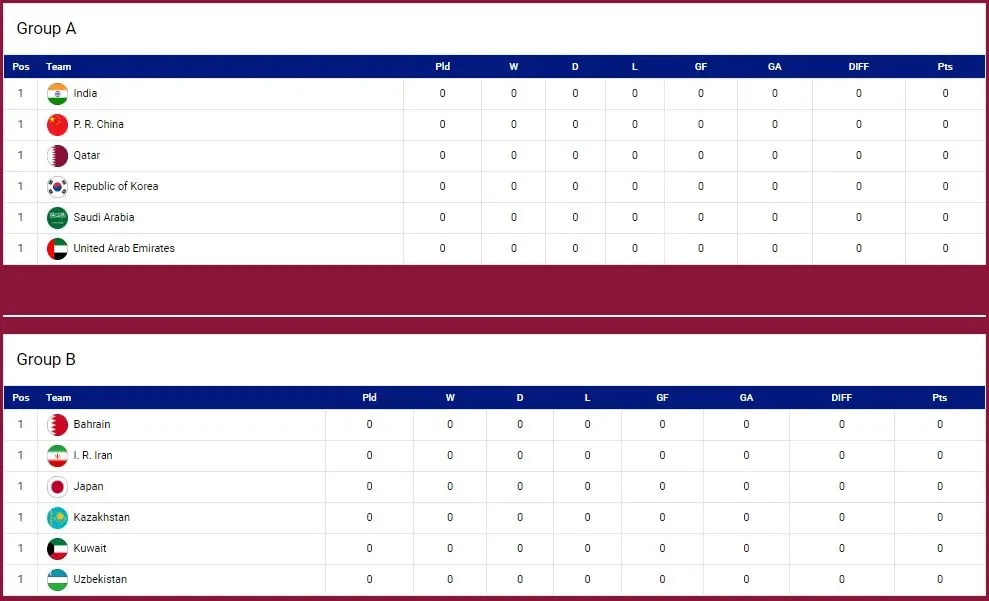
When we stood at the start of our preparation for the 19th Asian Games and Olympic Qualifications, everything I’ve described in this post became concrete and practical. Five months of work toward two major competitions that would shape the trajectory of Korean male handball.
The Asian Games represented a continental championship, competition against the best handball teams in Asia, with implications for international standing and national pride. The Olympic qualifications were even higher stakes, a pathway to the biggest stage in world sport.
Preparations for big competitions at this level involve enormous complexity. Multiple training camps across different countries. Friendly matches against European opponents to prepare for playing styles different from Asian handball. Video analysis of potential opponents. Individual development plans for each player. Team tactical systems that need to be installed and refined.
Managing all of this while maintaining team cohesion, individual wellbeing, and training quality requires constant attention and adjustment. Plans that looked perfect in May might need modification by July based on what’s actually happening. Flexibility within structure is essential.
What I’ve Learned About Long Preparation Blocks
Working through five-month preparation cycles has taught me lessons that shorter projects didn’t reveal.
First, patience matters more than intensity. You can’t rush development that requires time. Attempting to compress months of adaptation into weeks leads to injuries, burnout, and underwhelming results.
Second, recovery is preparation. Sleep, nutrition, mental rest, these aren’t interruptions to the work. They’re part of the work. Athletes who recover well adapt faster and sustain higher training quality.
Third, relationships carry you through. The bonds between coaches and athletes, and among athletes themselves, become critical when preparations for big competitions hit inevitable rough patches. Teams that trust each other persevere through difficulties that would fracture less connected groups.
Fourth, small improvements compound. Progress that seems insignificant on any given day becomes substantial over weeks and months. Trust the process even when daily changes are invisible.
The Belief That Makes It Possible
You got this! 🙂
I say this to my athletes regularly, and I say it to you now. Whatever big competition you’re preparing for, whatever goal seems distant and daunting, the path is achievable through the principles I tried to describe.
Preparations for big competitions are demanding. They require sustained effort, intelligent planning, emotional resilience, and the support of others. But they’re also one of the most rewarding experiences available in sport. The process of building toward something meaningful, of developing yourself and your athletes day by day, of arriving at competition knowing you did everything possible to prepare, this is what coaching is about.
Dream big. Plan thoroughly. Execute consistently. Enjoy the journey.
Now go and have an amazing day! 🙂
Stay in Touch
Do you have any coaching challenges you’d like me to address? Let me know what topics you struggle with most in goalkeeper coaching by filling out this form.
Never miss an update
Subscribe to my newsletter to receive updates about my online and in-person projects, research papers, creative projects (blog posts, books, e-books), and new online programs.
My Online Video Courses:
– Level 1 Video Course for Coaches
– Level 2 Video Course for Coaches
– Sliding Technique Video Course
– Agility Ladder Drills Video Collection – 102 drills
Subject to Copyright
Unauthorized use and/or duplication of any content from this website without express written permission from this site’s owner is strictly prohibited. All content (including text, data, graphics files, images, illustrations, videos, and sound files) contained in www.vanjaradic.fi is copyrighted unless otherwise noted and is the property of Vanja Radic Coaching. If you wish to cite or use any content from my website, please contact me first to obtain permission.
No responses yet